mobility

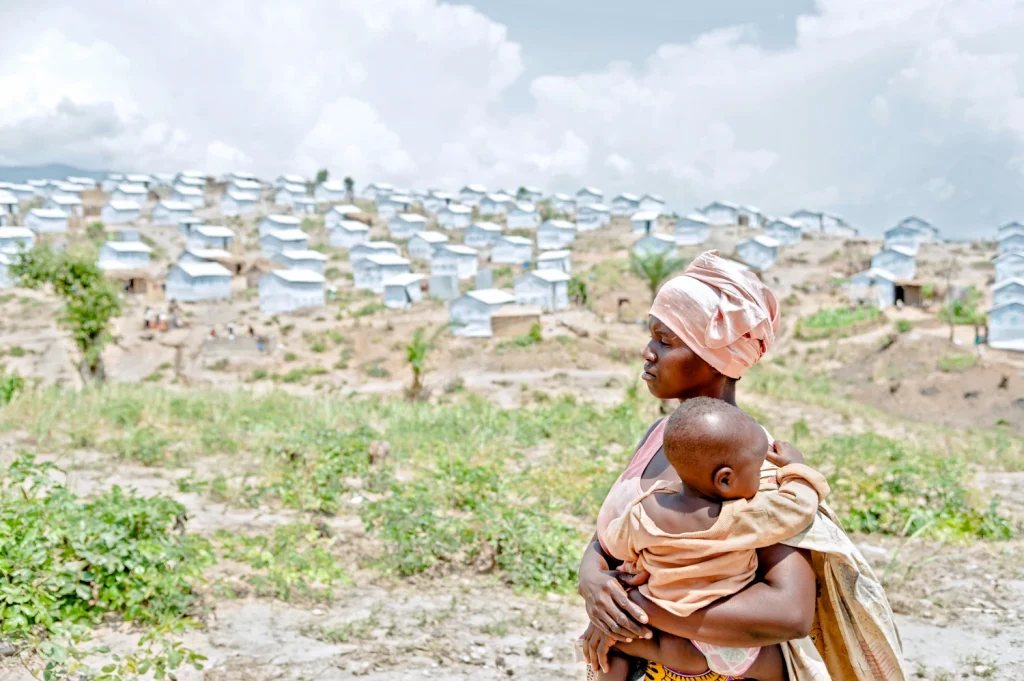
Photo of woman and child at Lusenda camp, DRC

New Geospatial Mapping Tool Transforms Humanitarian Planning

Répondez à notre enquête de satisfaction et contribuez à façonner la suite WorldPop researchers have recently launched a high-resolution data system that harmonises fragmented displacement records to improve humanitarian aid in Nigeria and Democratic Republic of the Congo (DRC). This contemporary dataset allows decision-makers to track the movement of millions of internally displaced persons (IDPs) and returnees with unprecedented […]

New Geospatial Mapping Tool Transforms Humanitarian Planning Read More »

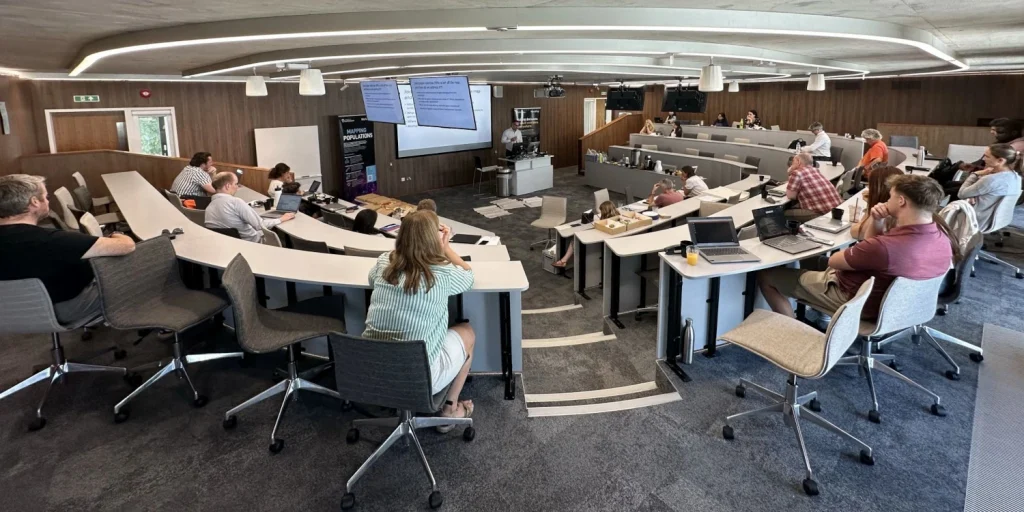
Photo of WorldPop Forced Displacement meeting July 2026

Global Experts Unite to Innovate Forced Displacement Mapping for Humanitarian Aid

Répondez à notre enquête de satisfaction et contribuez à façonner la suite WorldPop recently convened a specialised international team to transform how the world tracks and responds to forced displacement. Experts from UNHCR, IOM, UNICEF, IDMC, FCDO, the IDMC and leading global universities including University fo Oxford, Cambridge, Liverpool and Bristol gathered at the University

Global Experts Unite to Innovate Forced Displacement Mapping for Humanitarian Aid Read More »

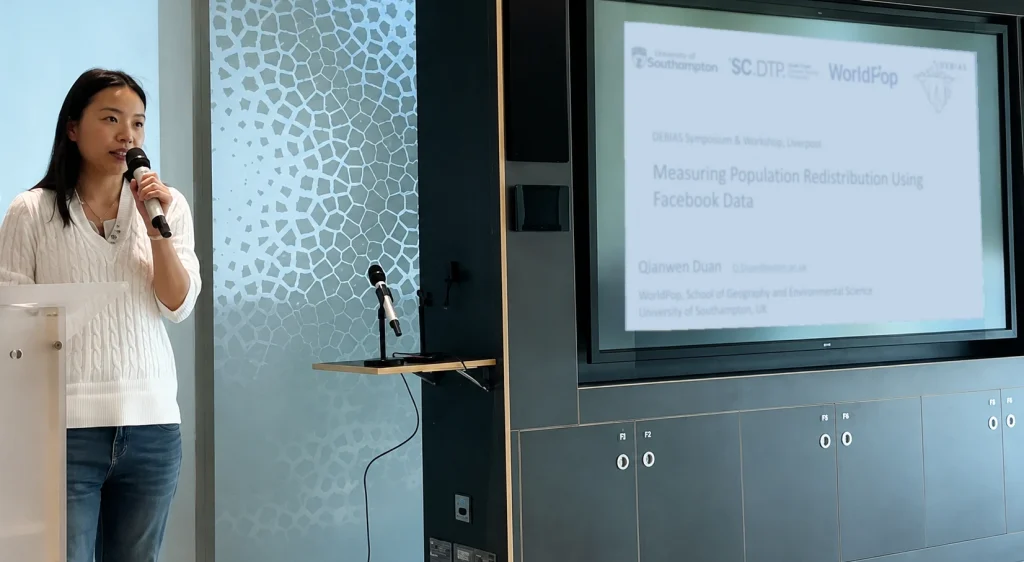
Photo of Qianwen Duan presenting at DEBIAS 2026

WorldPop Research Informs New Standards for Bias-Adjusted Digital Data at DEBIAS 2026

Répondez à notre enquête de satisfaction et contribuez à façonner la suite Dr Qianwen Duan, Research Assistant at WorldPop, recently joined international experts at the DEBIAS Workshop and Symposium to develop rigorous new standards for correcting bias in digital mobility data. This partnership works to ensure that the digital trace data used for global policy and humanitarian interventions is both representative and

WorldPop Research Informs New Standards for Bias-Adjusted Digital Data at DEBIAS 2026 Read More »

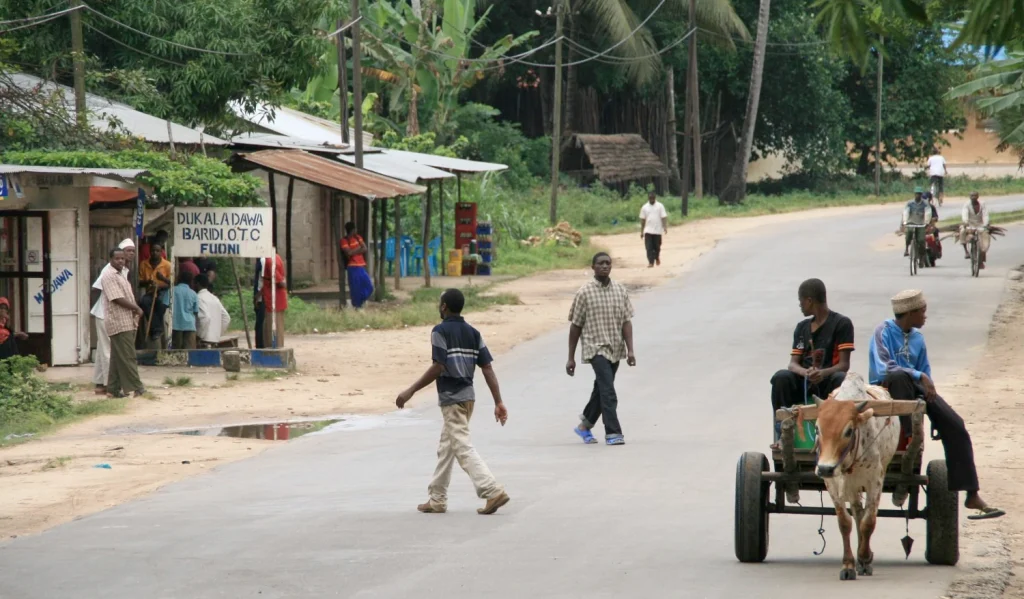
Photo of a street scene in Zanzibar

How AI and Data of Population Dynamics Could Help Eliminate Malaria

Take Our Survey and Help Shape What Comes Next Artificial intelligence is already reshaping fields like finance, transportation, and medicine. Now it is being deployed against one of humanity’s oldest and deadliest diseases: malaria.  With funding provided by the Web Science Institute, WorldPop is applying its AI and spatial demography and epidemiology expertise to a

How AI and Data of Population Dynamics Could Help Eliminate Malaria Read More »

Photo of Incorporating Digital Trace Data into Movement Estimates for Crisis Response panel at Humanitarian Networks and Partnerships Week 2026

Using Digital Trace Data to Understand Human Movement in Crises 

Take Our Survey and Help Shape What Comes Next At this year’s Humanitarian Networks and Partnerships Week in Geneva, a session explored how emerging digital data sources could help humanitarian organisations better understand how people move during crises. Representing WorldPop, Dr Sarchil Qader joined a panel examining how signals from mobile phones, online platforms, and other connected

Using Digital Trace Data to Understand Human Movement in Crises  Read More »

Photo of u-haul trailer parked outside a rural cottage

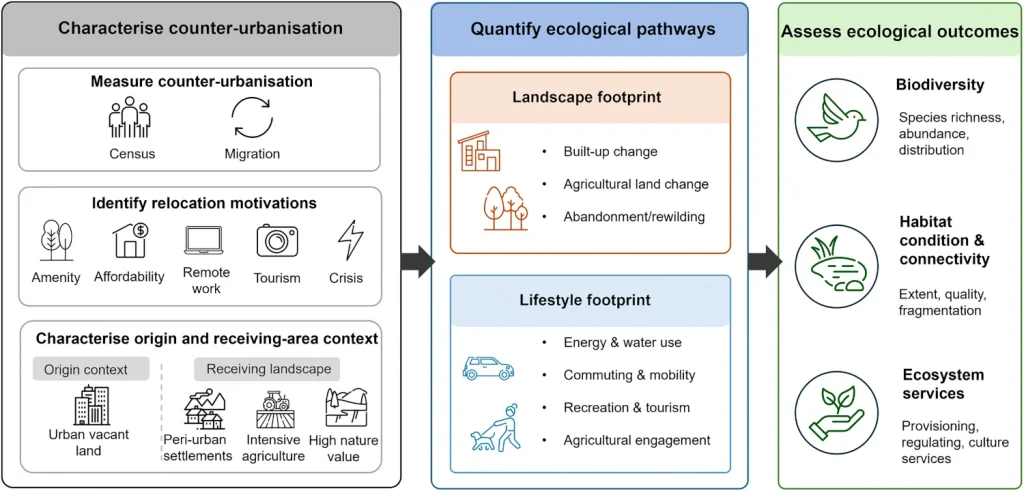
Researchers reveal global patterns of ‘urban exodus’ 

Take Our Survey and Help Shape What Comes Next A new study by an international team led WorldPop postgraduate researcher Qianwen Duan has revealed a significant “urban exodus” across the globe during the COVID-19 pandemic. By analysing high-resolution data from 35 countries, the research team found that while many people fled dense city centres for

Researchers reveal global patterns of ‘urban exodus’  Read More »

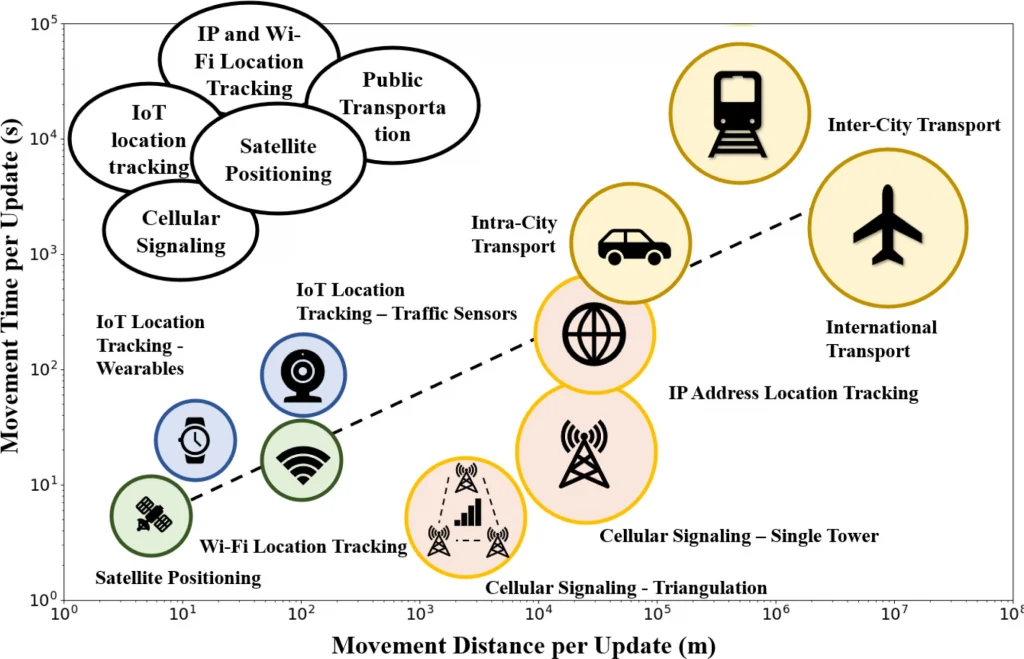
chart showing estimated spatiotemporal resolution of human mobility data sources

Movement, Population, and Infection: How Mobility Data Is Transforming Epidemic Modelling and Control

Understanding how diseases spread in a connected world is one of the greatest challenges in modern public health. Traditional models (like the well-known Susceptible, Infectious, and Recovered (SIR) framework) often assume that everyone mixes uniformly, meaning each person has an equal chance of interacting with everyone else. But reality is far more complex. Human populations

Movement, Population, and Infection: How Mobility Data Is Transforming Epidemic Modelling and Control Read More »