
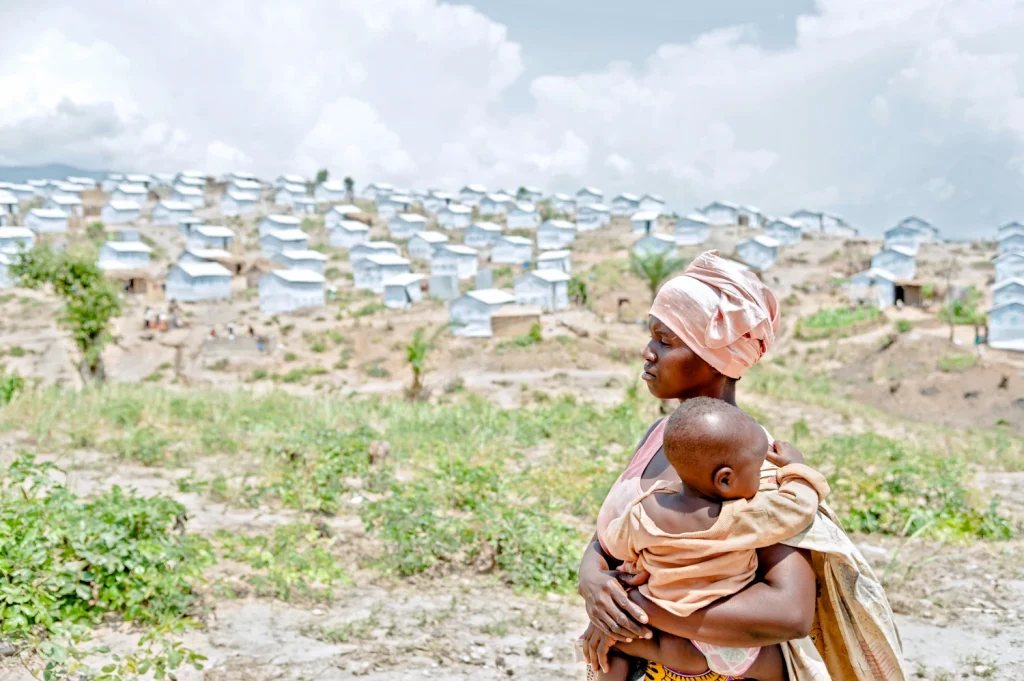
WorldPop researchers have recently launched a high-resolution data system that harmonises fragmented displacement records to improve humanitarian aid in Nigeria and Democratic Republic of the Congo (DRC). This contemporary dataset allows decision-makers to track the movement of millions of internally displaced persons (IDPs) and returnees with unprecedented geographic detail.
Bridging the Data Gap for Humanitarian Relief
In low- and middle-income countries, reliable information on internal displacement is essential for planning life-saving services. However, this data is often fragmented and inconsistent. The new Spatially Integrated Displacement Datasets address these challenges by bringing multiple sources into a single, harmonised system.
By linking displacement figures to the high-quality GRID3 administrative boundaries, the team has made it possible to align population data with the actual health zones used for service delivery. This ensures that vaccines, food, and medical supplies reach the areas where they are needed most.
Mapping Outcomes from 2022 to 2025
The dataset provides a comprehensive view of displacement dynamics over a four-year period. Using an automated spatial harmonisation workflow, researchers at WorldPop integrated data from various humanitarian sources, including OCHA and the Humanitarian Data Exchange.
Key features include:
- Tracking Origins and Destinations: Visualising where displaced persons came from and where they are currently located.
- Health Zone Precision: Providing quality-checked estimates for health zones and health areas to enable better-targeted interventions.
- Pressure Assessment: Helping local authorities assess the impact of population flows on local resources.
Impact-Oriented Data
While the dataset represents a significant step forward, researchers encourage users to interpret trends cautiously due to the variability across reporting rounds. Nevertheless, this project provides the timely and accurate data required to navigate the complex humanitarian landscape of these countries.
This work was produced as part of the GRID3 – Phase 2 Scaling project funded by the Gates Foundation.