WorldPop

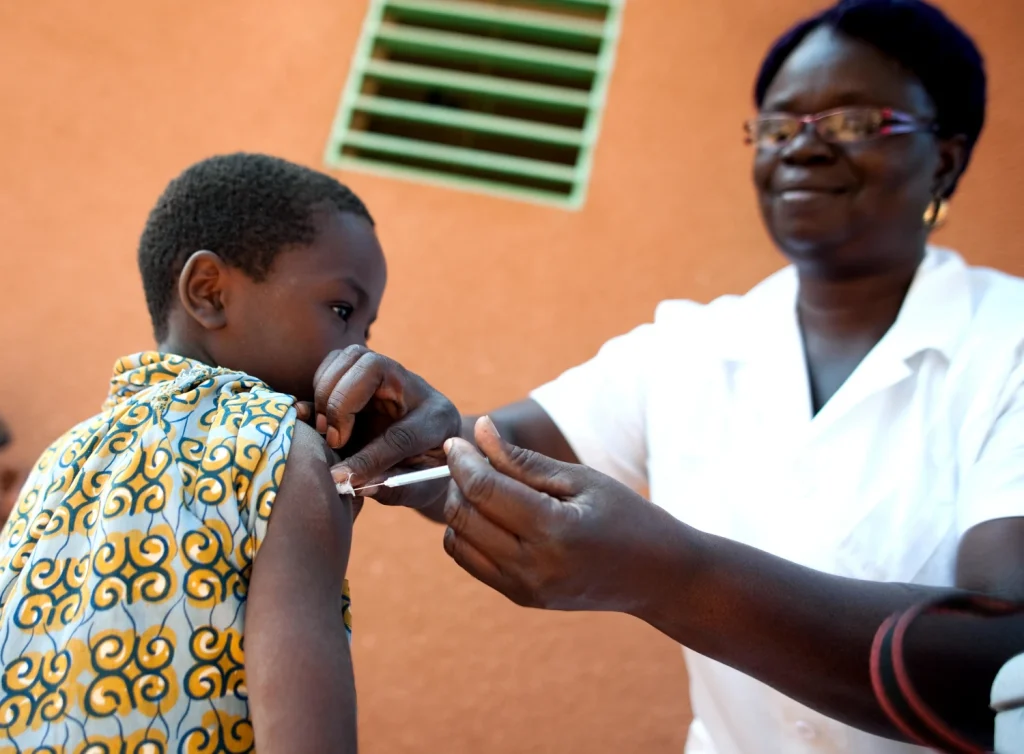
Photo of boy being vaccinated by nurse.

New modelling approach could strengthen global immunisation estimates

Reliable vaccination data can mean the difference between disease outbreaks being prevented or missed entirely. Researchers led by WorldPop’s Dr Edson Utazi have developed a new statistical framework that combines multiple sources of vaccination data to produce more accurate estimates of national immunisation coverage, helping policymakers make better informed decisions about vaccination programmes worldwide. The […]

New modelling approach could strengthen global immunisation estimates Read More »
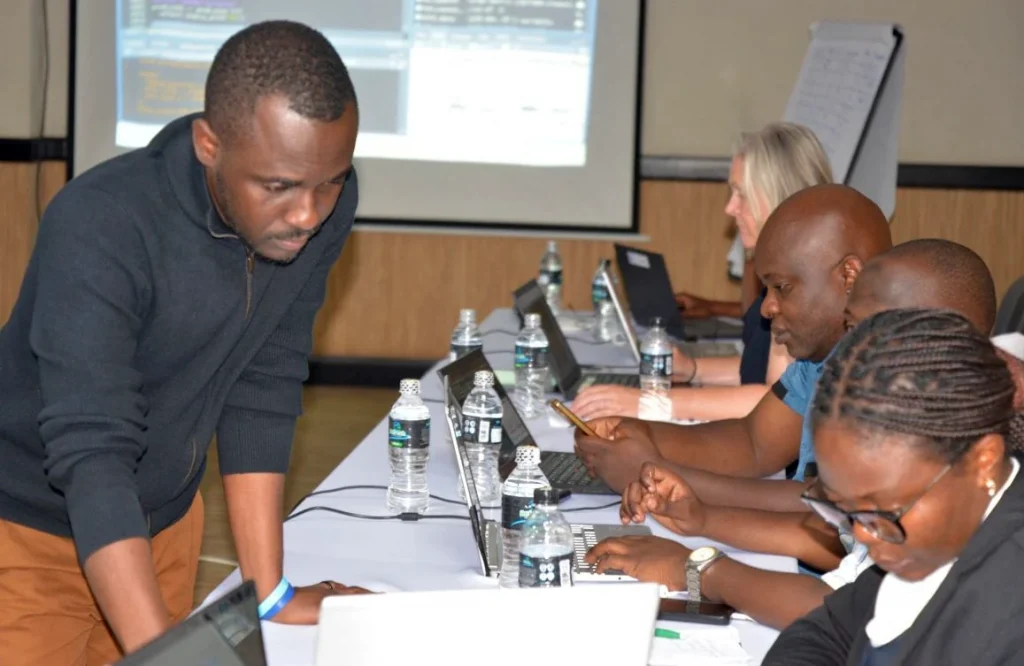
Photo of Dr Ortis Yankey supporting participants of workshop for Malawi’s 2028 Census, September 2026.

Building Stronger Foundations for Malawi’s 2028 Census

Accurate population data can make the difference between a census that reaches every community and one that leaves people unseen. That is why experts from the Malawi National Statistical Office (NSO), the UK Office for National Statistics (ONS) and WorldPop recently came together in Blantyre for a five-day technical training workshop focused on the future

Building Stronger Foundations for Malawi’s 2028 Census Read More »

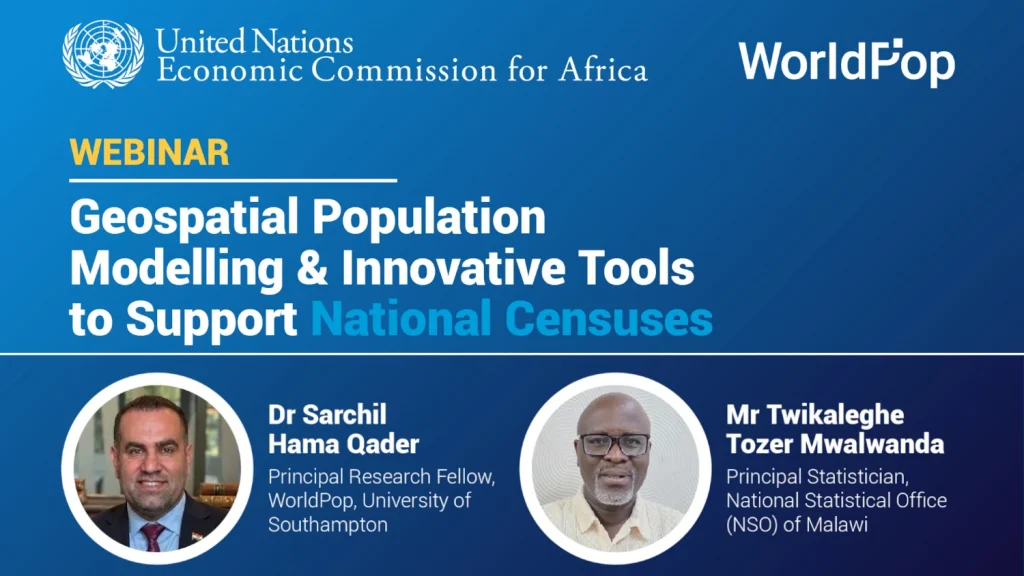
graphic promoting a UNECA geospatial Population Modelling Webinar

Counting Everyone: How Geospatial Innovation Could Transform Africa’s 2030 Census Round

How do you count people who live in conflict zones, move with livestock across vast landscapes, or live in communities that census teams cannot safely reach? As African countries prepare for the 2030 census round, these questions are becoming increasingly urgent. During a recent United Nations Economic Commission for Africa (UNECA) webinar, researchers, statisticians and

Counting Everyone: How Geospatial Innovation Could Transform Africa’s 2030 Census Round Read More »

Invest in Open Infrastructure logo

WorldPop recognised in Invest in Open Infrastructure’s Infra Finder

WorldPop has been included in Infra Finder, a global resource developed by Invest in Open Infrastructure (IOI) to help researchers, funders and organisations discover trusted open infrastructure services. The listing places WorldPop among a cohort of 47 data-focused resources highlighted through a collaboration between IOI and Wellcome. Infra Finder was created to improve the visibility,

WorldPop recognised in Invest in Open Infrastructure’s Infra Finder Read More »

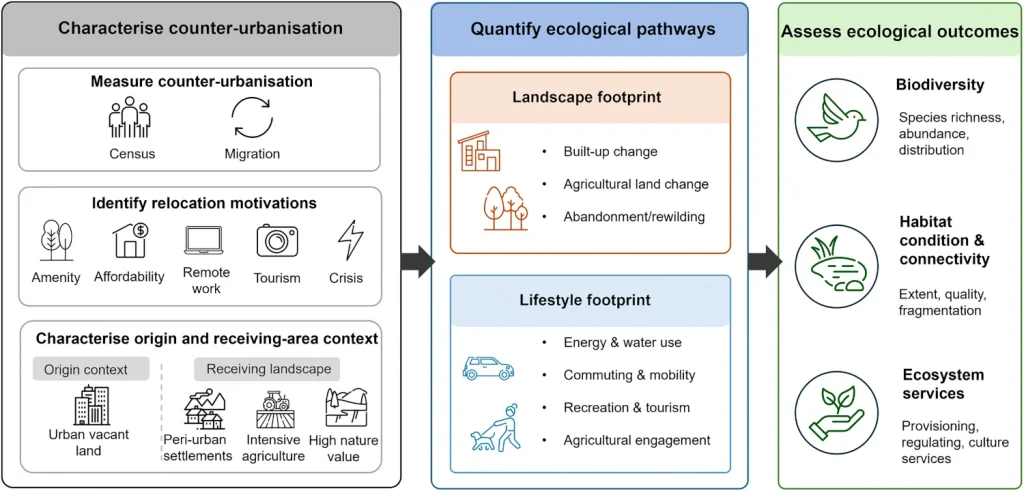
Infographic showing the framework to assess ecological outcomes of counter-urbanisation

Moving to the countryside: what does it mean for nature?

A growing number of people are leaving cities for rural and suburban areas, a trend known as counter-urbanisation. While the environmental impacts of urban growth are well understood, an international team of researchers led by WorldPop postgraduate researcher Qianwen Duan say much less is known about what happens when people move in the opposite direction. 

Moving to the countryside: what does it mean for nature? Read More »

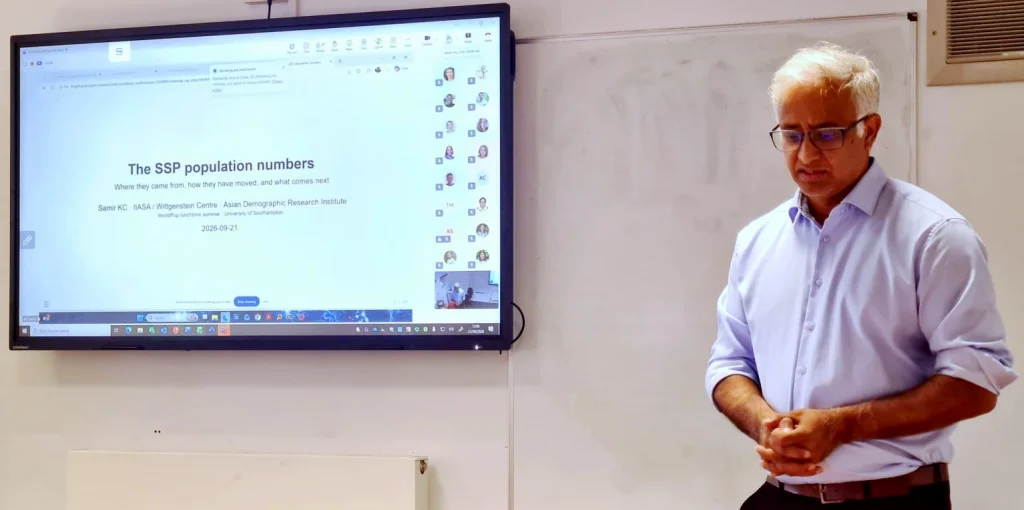
Photo of Professor Samir KC presenting at WorldPop

Building the next generation of population futures: Samir KC visits WorldPop

How can we move beyond national population projections to understand how populations may change in individual regions, cities and communities? That question was at the heart of a recent visit to WorldPop by Samir KC, one of the world’s leading demographers, professor at the Asian Demographic Research Institute (ADRI), Shanghai University, and a Senior Research

Building the next generation of population futures: Samir KC visits WorldPop Read More »

Photo of someone sleeping under mosquito net.

How human expertise and AI can support vector-borne disease control

As climate change, urban growth and human movement reshape the world around us, the diseases carried by mosquitoes are changing too. Malaria, dengue and other mosquito-borne illnesses are appearing in new places, putting more communities at risk than ever before. A new Perspective paper in Environmental Change and Disease Dynamics and co-authored by WorldPop visitor

How human expertise and AI can support vector-borne disease control Read More »

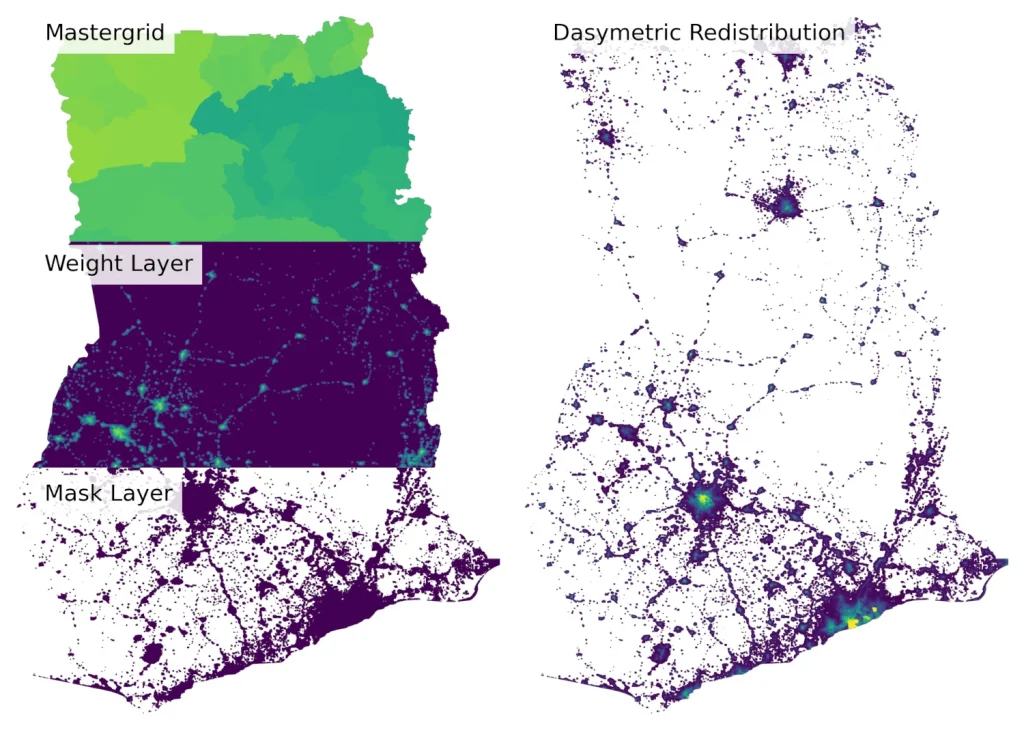
Map showing output from pyDasymetric tool

Turning Population Counts into High-Resolution Maps with pyDasymetric

Creating accurate population maps often starts with a challenge: population data are typically reported for administrative areas, but decisions need to be made at a much finer scale. To help bridge that gap, we have released pyDasymetric, a free, open-source Python package that makes it easier to redistribute population counts into high-resolution gridded population datasets

Turning Population Counts into High-Resolution Maps with pyDasymetric Read More »

graphic image of speech bubbles with text: "Thanks for your feedback"

You told us what you need. We’re acting on it.

More than 420 people from around the world have helped shape the future of WorldPop.  Researchers, government analysts, public health specialists, humanitarian practitioners and technical experts responded to our recent user requirements survey, sharing how they use WorldPop data, what works well and where they see opportunities for improvement.  What they told us was both

You told us what you need. We’re acting on it. Read More »

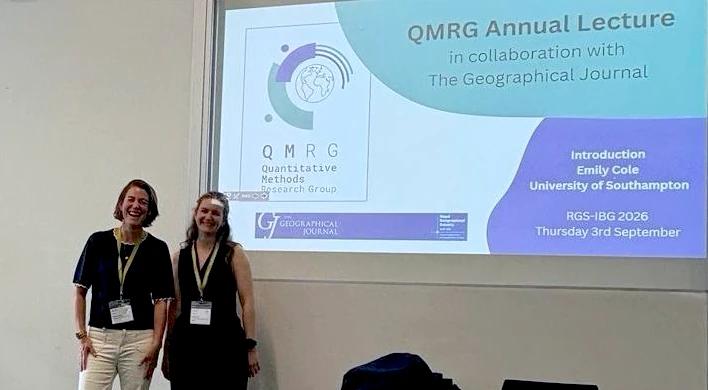
Photo of Dr Jessica Espey with Emily Cole at the QRMG Annual Lecture, 2026.

From local knowledge to global decisions: advancing inclusive data science

How do we make sure data reflects the people and places it is meant to represent? And how can cities make better decisions in an increasingly complex world? These were some of the questions explored by Dr Jessica Espey, Deputy Director (Research) at WorldPop, during recent engagements at the Royal Geographical Society Annual Conference in

From local knowledge to global decisions: advancing inclusive data science Read More »