Bottom-up modelling

Photo of man looking at map application on a computer screen

Start the New Year by Exploring WorldPop’s Free Learning Resources

As we set fresh goals for the new year – whether to learn something new, develop new skills, or make a bigger impact in our work or studies – WorldPop’s learning resources offer a rich and accessible way to grow your understanding of population data and geospatial analysis for global good. These free, expert-created materials […]

Start the New Year by Exploring WorldPop’s Free Learning Resources Read More »

Satellite view of Ekohok, Cameroon

Mapping the Invisible: How Technology Is Filling the World’s Population Data Gaps

How many people live in a neighbourhood, a village, or a city block? It sounds like a simple question, but for millions of people around the world, the answer is still unclear. Accurate, local population data is essential for everything from planning health services and responding to disasters to allocating resources fairly. Yet traditional national

Mapping the Invisible: How Technology Is Filling the World’s Population Data Gaps Read More »

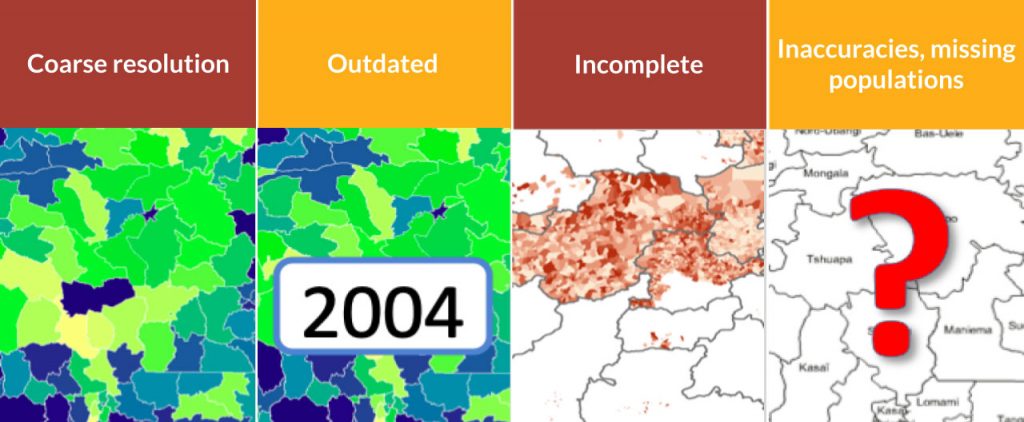
Slide: Demographic Data Challenges

Video: Understanding population distributions supports health programmes, census preparation and disaster response

Professor Andy Tatem recently spoke at a virtual event on Geospatial for sustainable agriculture and urban development in Africa organised by The Food and Agriculture Organization of the United Nations (FAO). In this recording of his presentation, Professor Tatem gives an overview of our work and shares examples of the impact of our collaborations with UN

Video: Understanding population distributions supports health programmes, census preparation and disaster response Read More »

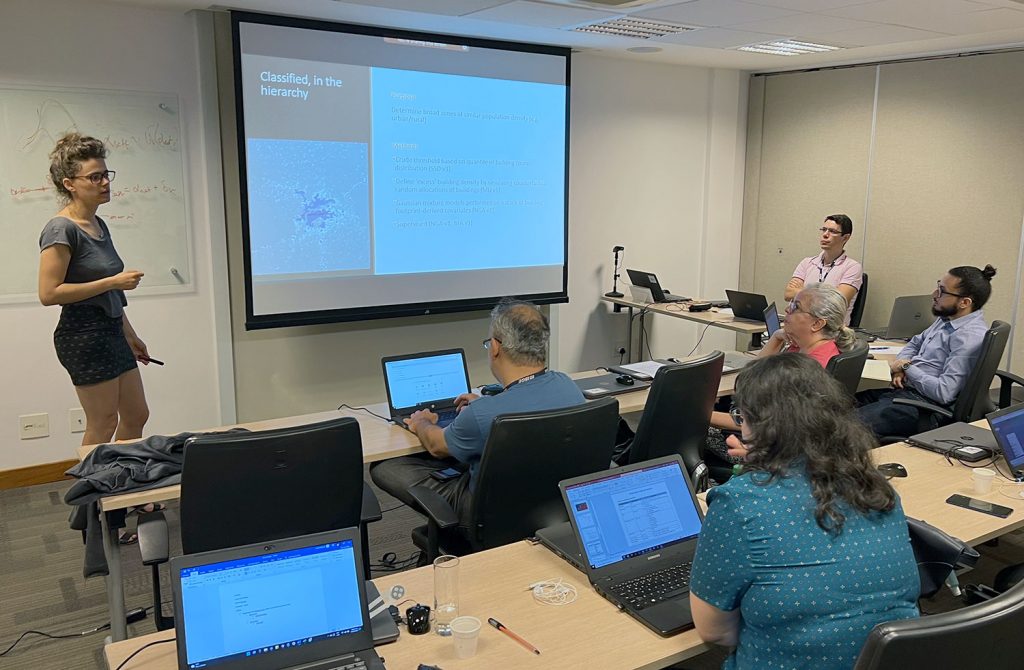
Edith Darin presenting at IBGE workshop 2022

Working with Brazil’s National Statistics Office as they prepare for their biggest ever census

As Brazil prepares for its biggest ever census, WorldPop Research Fellow Edith Darin presented on bottom-up population modelling last month as part of a two-week workshop at the Instituto Brasileiro de Geografia e Estatística (IBGE, the Brazilian Statistics Office) in Rio de Janeiro. Edith’s contribution came at an important milestone for the IBGE. In August

Working with Brazil’s National Statistics Office as they prepare for their biggest ever census Read More »