
Last week, Research Fellow Dr Somnath Chaudhri presented new research on mapping the risks of Guinea Worm Disease across Sub-Saharan Africa at the Intelligent Systems for Vector-Borne Disease Study Group Meeting held at The Hanse-Wissenschaftskolleg, Institute for Advanced Study in Delmenhorst, Germany.
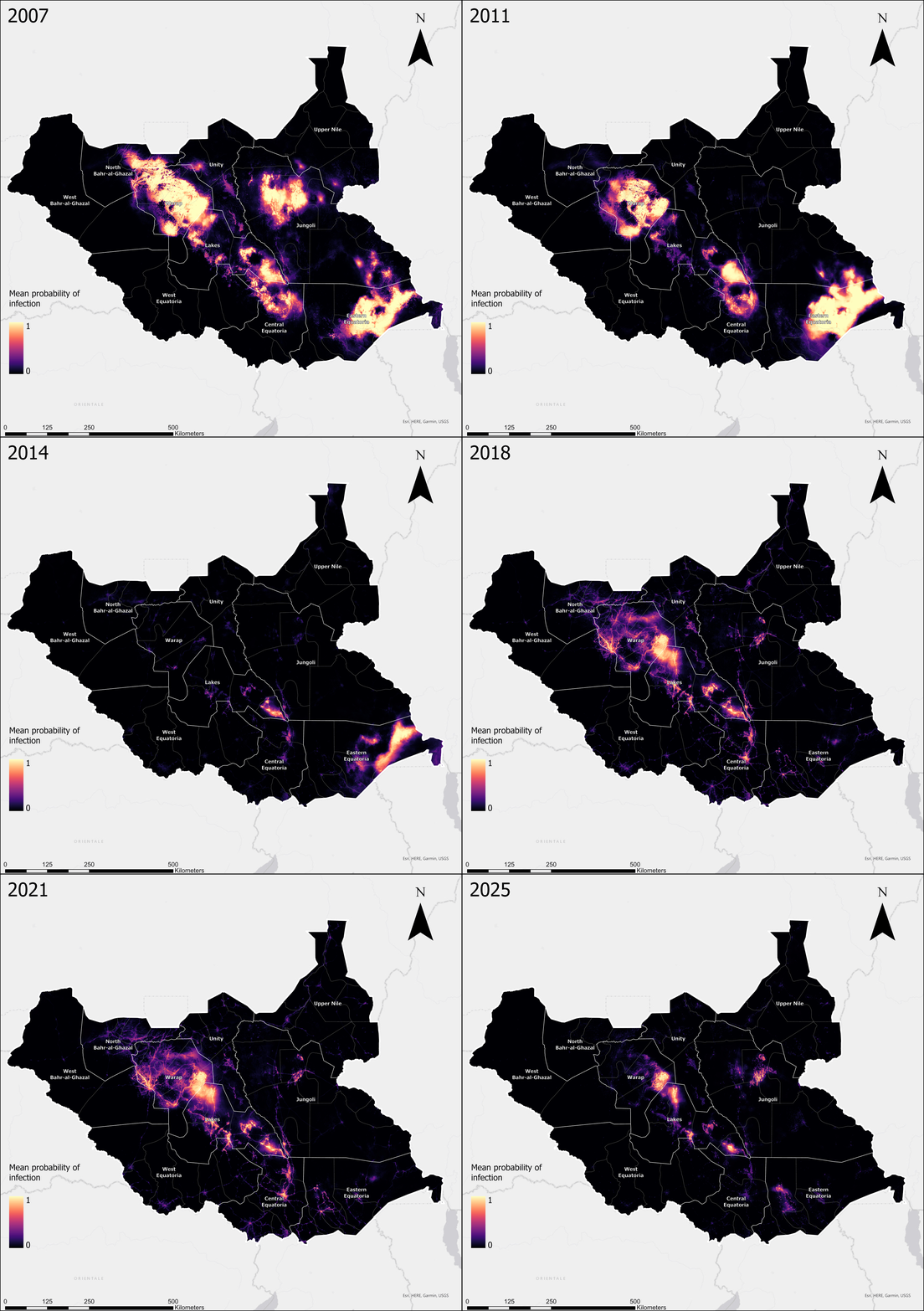
The presentation focused on how spatial and spatiotemporal risk mapping can help researchers better understand where Guinea Worm Disease (a neglected tropical disease) is most likely to occur and how risks may change over time. By combining disease data with advanced modelling techniques, we are supporting more targeted surveillance and intervention efforts.
The work forms part of the ongoing Guinea Worm Eradication Programme (GWEP) funded by The Carter Center and delivered through our Mapping the risk of Guinea Worm Disease at a high resolution using geostatistical and machine learning approaches project, led by Associate Professor Dr Edson Utazi.
Dr Chaudhuri comments: “Guinea worm disease persists in some of the most remote and vulnerable communities in the world. By combining spatial statistics, geospatial data, and machine learning, we can better understand where transmission risks remain highest and help direct eradication efforts more effectively.”
The event brought together international experts working on infectious disease modelling and was organised by the Mahidol-Bremen Medical Informatics Research Unit in collaboration with Universität Bremen and Mahidol University.
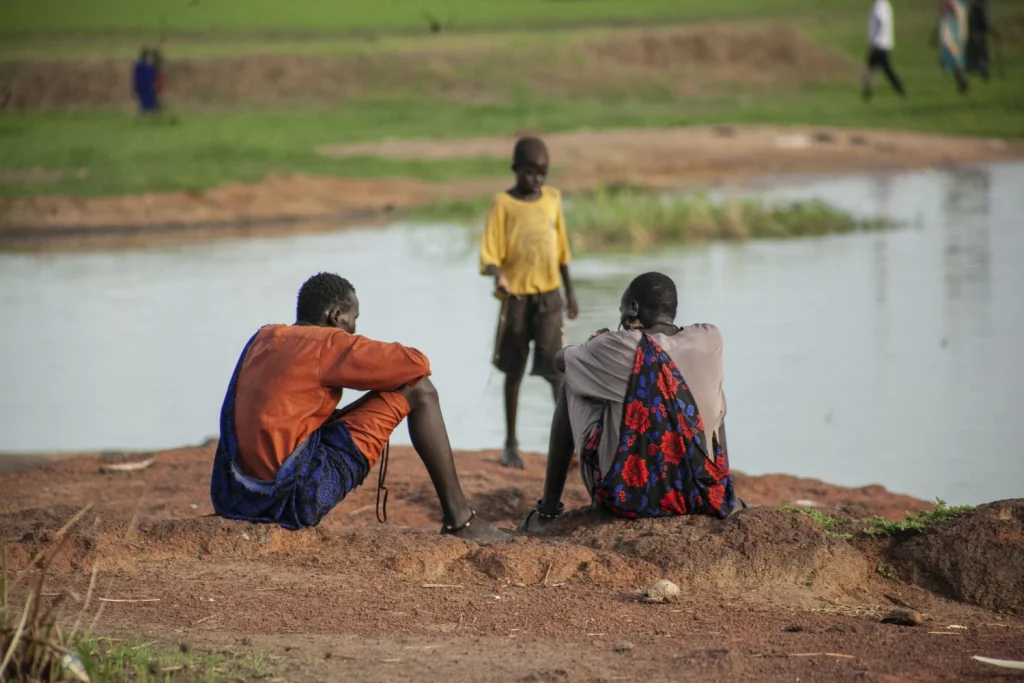
Image: Young men sit close to a fishing river in South Sudan, Lomoraronald, 2023, CC BY-SA 4.0