
Artificial intelligence is already reshaping fields like finance, transportation, and medicine. Now it is being deployed against one of humanity’s oldest and deadliest diseases: malaria.
With funding provided by the Web Science Institute, WorldPop is applying its AI and spatial demography and epidemiology expertise to a new research initiative called MalarAI. Rather than treating malaria as a static public health problem, the platform will use AI, mobility analytics, and geospatial modelling to understand how the disease actually moves through population dynamics across space and time.
Traditional malaria surveillance often focuses on where cases are reported. But infections do not stay neatly within administrative boundaries. People travel for work, family, trade, and tourism – and malaria parasites travel with them. MalarAI aims to map those hidden transmission pathways using high-resolution population data, smartphone mobility insights, climate information, and genomic surveillance.
The result will include a much more precise picture of where outbreaks begin, how infections spread, and where interventions could have the greatest impact.
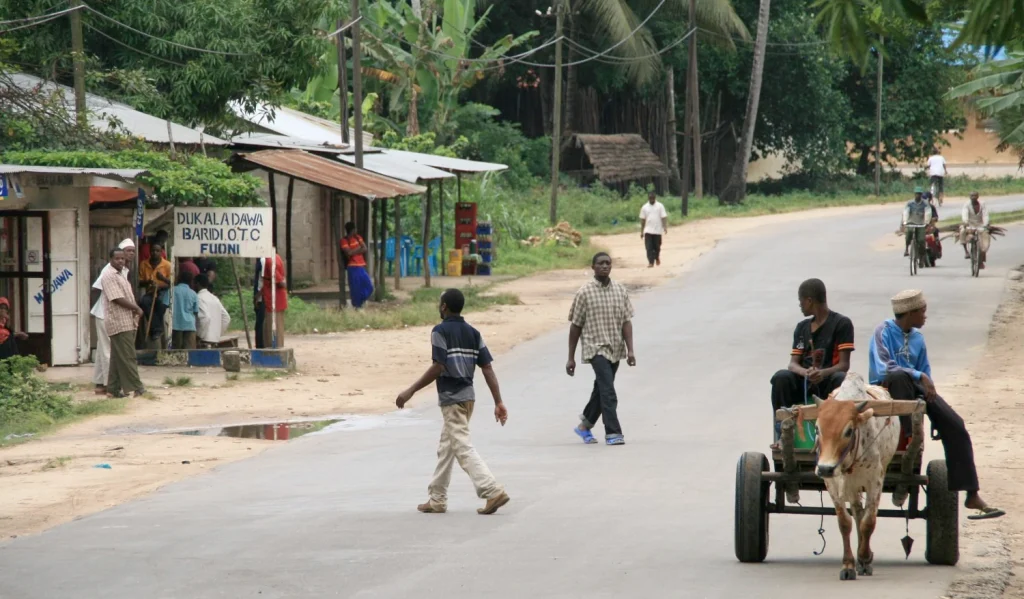
The initiative is currently focused on Zanzibar, where malaria elimination efforts have made major progress over the past two decades but still face persistent transmission challenges. Infections are increasingly concentrated among mobile populations and outdoor exposure patterns that conventional systems struggle to detect.
What makes the project especially interesting is its emphasis on “precision targeting.” Instead of broad, one-size-fits-all interventions, MalarAI will build tools that can help health programmes identify micro-transmission hotspots and forecast outbreak risk in near real time.
The platform also stresses openness and collaboration. Its methods are described as transparent, reproducible, and open source, with partnerships involving institutions such as the University of Southampton, London School of Hygiene & Tropical Medicine, Johns Hopkins University, and Zanzibar’s malaria elimination programme. MalarAI is also actively seeking further collaborations across different geographic regions, public health, data science, epidemiology, and technology to further develop and test tools and applications, and help expand the platform’s research, modelling capabilities, and real-world impact in malaria-endemic regions.
In practical terms, this is part of a broader shift happening across global health: moving from reactive healthcare toward predictive healthcare. Instead of waiting for outbreaks to expand, AI systems can potentially identify risks early enough for faster intervention.
Of course, technology alone will not eliminate malaria. Public health infrastructure, local expertise, funding, and community trust remain essential. But projects like MalarAI show how modern data science and human-AI collaborative intelligent decision support framework can strengthen those efforts in ways that were difficult to imagine even a decade ago.