
An international research team led by WorldPop Deputy Director (Research), Dr Jessica Espey, argues that better global decision-making needs stronger local evidence from low- and middle-income countries.
The study, published this week in Evidence & Policy, looks at how evidence shapes policy in four countries in Sub-Saharan Africa: Benin, South Africa, South Sudan and Tanzania. It finds that intermediary organisations, such as think tanks and local civil society organisations, and strong national evidence systems can help ensure that policy is informed by up-to-date data and information, even when political priorities change, and there are lessons to be learned for international policy and decision-making, including within the United Nations.
Dr Espey said: “For international bodies like the United Nations to effectively tackle global crises, they must look beyond Western models of evidence and evidence curation. We need contemporary, accurate data and other forms of scientific evidence that capture the lived realities of communities in the Global South, where policies on frontier issues, such as climate resilience, food security, and urbanisation, are actively being shaped.”
Lessons from four countries
The researchers examined how governments and national evidentiary stakeholders (including academic institutions, think tanks, NGOs, consultancies) collect, share and use evidence to tackle major development challenges, as well as how evidence flows across government layers.
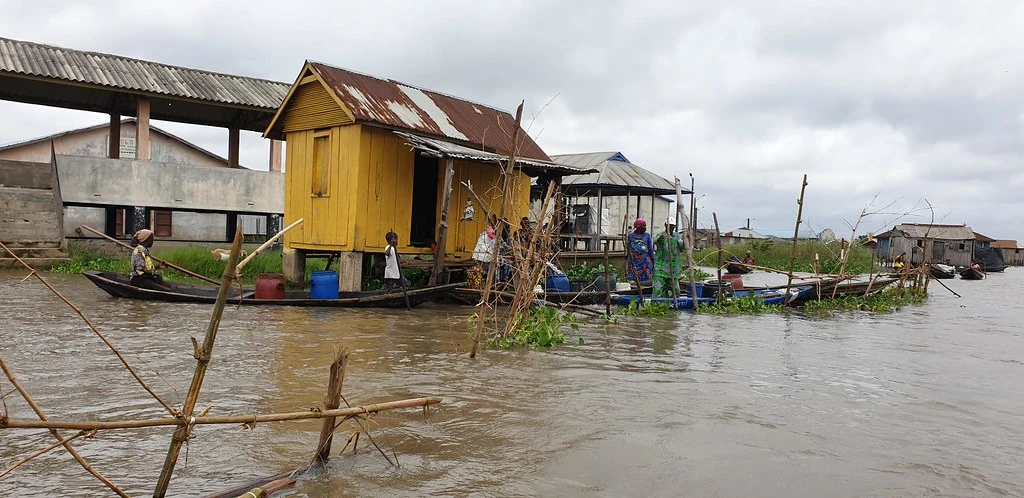
- In Benin, local farmer groups and civil society organisations helped connect academic research with government priorities, supporting efforts to address hunger.
- In South Sudan, the think tank Samahi Research worked with civil society partners to turn complex financial audits into information that communities could understand and use, helping to promote more transparent government budgets.
- In South Africa, the research highlighted how political interests can sometimes take priority over technical evidence, showing the challenges involved in turning data into policy.
- In Tanzania, the Tanzanian Urbanisation Laboratory created independent spaces where researchers, policymakers and other groups could work together. These spaces help protect important research on cities and climate change until there is an opportunity for it to influence policy.
A case for broader sources of evidence
The researchers argue that international organisations should consider a broader range of insights and be more transparent about the evidence behind their decisions. Part of this is giving space and weight to knowledge generated by local communities and local organisations. They also recommend formally recognising broker organisations like think tanks and civil society as important partners in gathering, interpreting and communicating evidence — who should be a valued part of institutional evidence mechanisms.
The research was supported by the William and Flora Hewlett Foundation.