
How do you count everyone in a country where some communities are hard to reach because of geography, insecurity, or limited infrastructure? This is the challenge Cameroon is taking on as it prepares for its first national census in nearly two decades, and it’s doing so with an innovative hybrid approach.
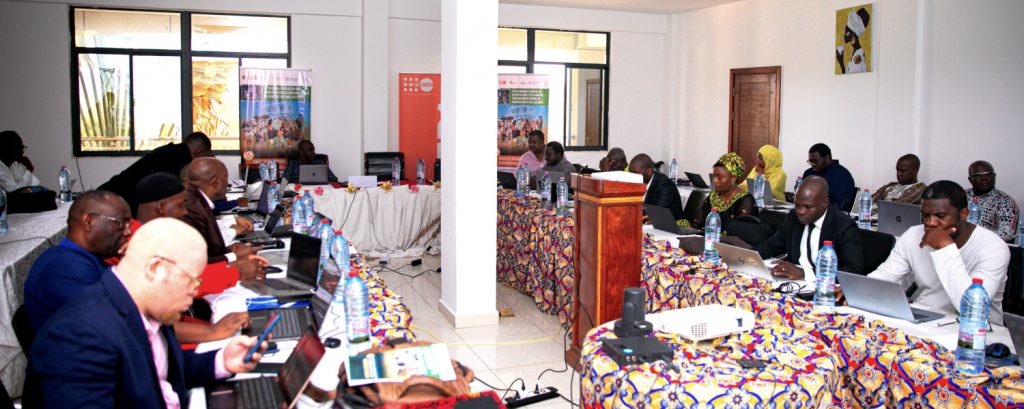
Earlier this week in Yaoundé, WorldPop launched a major new initiative supporting Cameroon’s 4th General Population and Housing Census (RGPH4) and the General Census of Agriculture and Livestock (RGAE). The work began with a seven-day workshop focused on technical training and capacity strengthening, bringing together participants from government, academia, and international partners including the United Nations Population Fund (UNFPA) and the Food and Agriculture Organization of the United Nations (FAO).
This marks the start of Cameroon’s first-ever hybrid census and its first population census since 2005. Unlike traditional censuses that rely solely on door-to-door enumeration, a hybrid census combines on-the-ground data collection with modern tools such as satellite imagery, administrative data, surveys, and statistical modelling. This approach is especially important in areas affected by conflict or difficult terrain, where full coverage can be challenging.
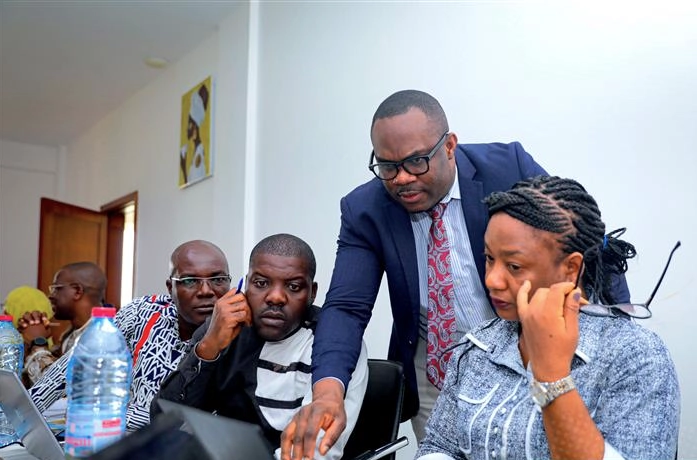
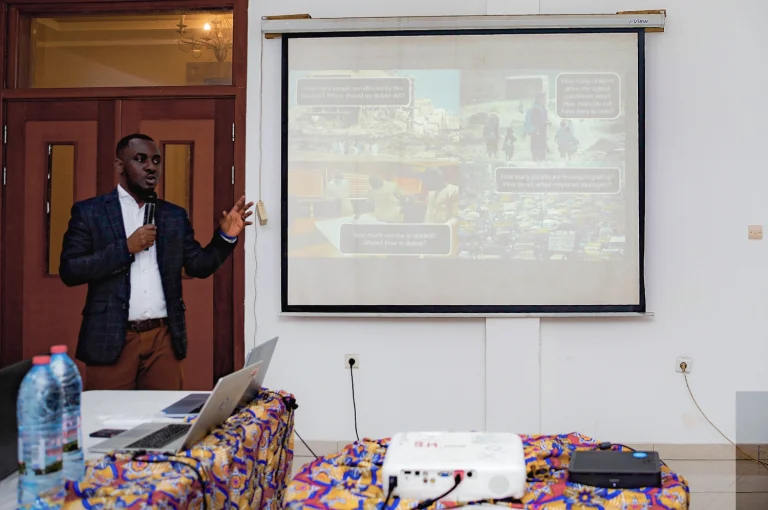
WorldPop’s Dr Chris Nnanatu and Dr Ortis Yankey are in Yaoundé providing hands-on training in spatial statistics and hybrid census methods. Working closely with UNFPA and Cameroon’s National Bureau of Statistics (BUCREP), they are supporting national teams to understand how modelled small-area population estimates can complement traditional census methods, helping ensure no communities are left out.
The hybrid approach is being tested through pilot censuses in four diverse locations across the country, including areas in the North-West, South-West, West, and Far North regions. These pilots will inform how population estimates (for RGPH4) and earth observation–based methods (for RGAE) can be used together to fill data gaps while maintaining accuracy, transparency, and national ownership.
This work matters far beyond statistics. Reliable population, agricultural, and livestock data underpin decisions about schools, health services, food security, infrastructure, and emergency response. By integrating RGPH4 and RGAE, Cameroon is also strengthening the link between social, demographic, and agropastoral data, which are essential for national development planning and international commitments such as the Sustainable Development Goals.
Cameroon’s geography and challenges are similar to those faced by many countries across West and Central Africa. By pioneering a hybrid census, the country is setting an important example for the region, and showing how modern data methods, combined with strong local capacity, can help ensure that everyone counts, and everyone is counted.